Camden Council licences Covent Garden planters and displays: a practical guide for businesses and property teams
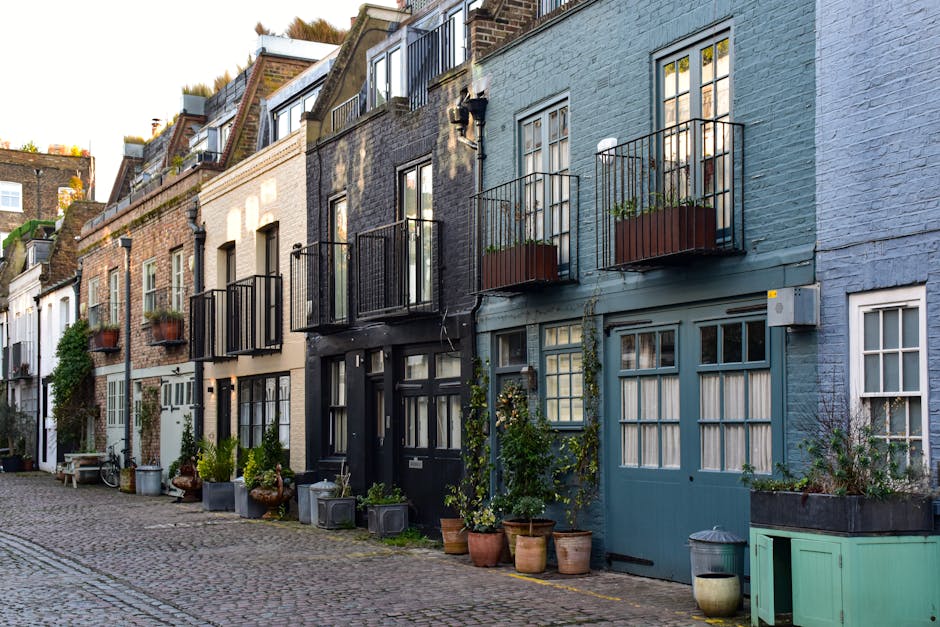
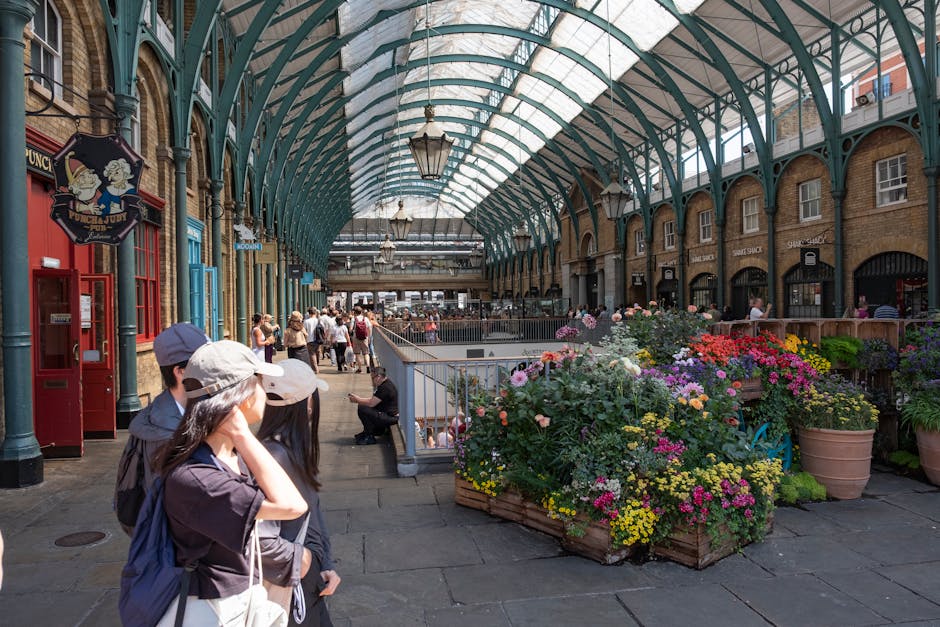
If you have ever walked past a neat row of planters outside a Covent Garden frontage and thought, "That makes the whole place feel alive," you are not wrong. But behind those displays is usually a bit more than good taste. Camden Council licences Covent Garden planters and displays when street furniture, planting, branding, or decorative features extend into shared public space, and that has real implications for permissions, safety, access, maintenance, and cost.
Whether you run a cafe, manage a retail frontage, oversee a hospitality site, or simply want to improve the look of an entrance, understanding the licence side matters. A beautiful display can lift footfall and make a business feel cared for. A poorly planned one can create complaints, trip hazards, or delays. In London, those things do not stay small for long.
This guide breaks the topic down in plain English: what the licensing idea actually means, how it tends to work in practice, what to prepare, and how to avoid the sort of mistakes that waste time. You will also find a checklist, a comparison table, and a realistic example so you can judge what makes sense for your own site.
Why Camden Council licences Covent Garden planters and displays Matters
The short version? Because anything placed on or near the public highway affects more than one person. A planter is not just a planter once it sits where pedestrians walk, where prams pass, or where someone with limited mobility needs a clear route. It becomes part of the public environment.
That is why licensing exists. It gives the council a way to assess whether a display is suitable for the location, whether it keeps access clear, and whether it can be managed safely over time. In Covent Garden, where the streets can be busy, narrow, and visually sensitive, that balance matters even more. The area has a distinct character, and everyone notices when something feels out of place. Everyone.
From a business point of view, the licence is not just red tape. It can protect your frontage strategy. A properly approved display is easier to maintain, easier to defend if questions arise, and often better integrated with the street scene. It can also help you avoid the awkward situation of installing something attractive only to find it must be removed or altered later. That is a painful conversation, to be fair.
There is also a reputation angle. A frontage that feels tidy, coordinated, and compliant sends a quiet signal: this place is cared for. In a place like Covent Garden, that matters. People notice the details, even if they do not consciously register them.
How Camden Council licences Covent Garden planters and displays Works
While exact procedures can vary depending on the site, the basic idea is usually straightforward. You put forward a proposal for the planters or display elements you want to install, explain where they will sit, what they are made of, how they will be maintained, and how pedestrian movement will be protected. The council then considers whether the arrangement is suitable for the location and whether it sits comfortably with public safety and the surrounding streetscape.
In practice, the process often revolves around a few core questions:
- Will the display leave enough clear space for pedestrians?
- Could it obstruct access for wheelchairs, buggies, or mobility aids?
- Is it stable enough to stay put in wind, rain, or busy foot traffic?
- Will watering, cleaning, pruning, or replacement be managed properly?
- Does it fit the look and feel of the street?
That last point is easy to overlook. A display can be technically safe and still feel wrong if it clashes with the surroundings or looks temporary in a way that undermines the quality of the street. Covent Garden is the kind of place where visual harmony counts. A lot.
For applicants, the key is to treat the licence as a design-and-management task, not just an admin formality. The more clearly you can show the layout, materials, dimensions, and upkeep plan, the smoother things usually go. If you are already thinking about wider frontage improvements, it can be sensible to review related work too, such as landscaping, garden maintenance, or even a more complete frontage refresh through landscape gardening.
One thing many people underestimate: the display itself is only half the job. The other half is ongoing control. Plantings grow, containers shift, soil gets messy, and neglected watering can make even a lovely setup look tired in a week. That is why the council will usually care about maintenance as much as the initial idea.
Key Benefits and Practical Advantages
A good licence-backed planter scheme can do quite a bit for a site. Not just decoration. Real, day-to-day practical value.
- Better street presence: Planters soften hard edges, make entrances feel welcoming, and can turn a plain frontage into a memorable one.
- Clearer accountability: When a display is licensed, there is a clearer understanding of who is responsible for upkeep and presentation.
- Reduced risk of enforcement issues: Approval lowers the chance of disputes about obstruction or unauthorised use of public space.
- Improved customer experience: A tidy, considered frontage can make people feel more comfortable stopping, browsing, or sitting nearby.
- Better planning discipline: The process forces you to think through size, access, drainage, watering, and materials before money is spent.
There is also a quieter benefit: consistency. A site with a regular maintenance routine simply ages better. Fresh soil, healthy planting, and clean edges do more than any last-minute decorating effort. You notice the difference on a damp Tuesday morning just as much as on a sunny Saturday.
If the frontage is part of a larger outdoor maintenance plan, it can be helpful to think in systems rather than one-off jobs. For example, if hedging or boundary planting is involved, hedge trimming and lawn mowing may be relevant elsewhere on the site, while any old, damaged, or cluttered green waste may call for garden clearance.
Small thing, but important: a display that is easy to maintain is usually more successful than one that looks spectacular for one week and becomes a headache after that.
Who This Is For and When It Makes Sense
This topic most often matters for business owners and property teams who want to use exterior space responsibly. But it is not only for cafes and restaurants. Plenty of other users can benefit from understanding how Camden Council licences Covent Garden planters and displays.
- Hospitality operators wanting a more inviting entrance or pavement edge.
- Retail businesses looking to improve visibility and soften a shopfront.
- Property managers responsible for a mixed-use or multi-tenant frontage.
- Office or commercial landlords trying to improve kerb appeal.
- Event organisers planning temporary decorative displays that interact with public space.
- Design-led brands where the exterior presentation is part of the brand experience.
It makes sense when the display is intended to sit in a visible, public-facing position and needs some level of approval, coordination, or ongoing oversight. If the arrangement stays entirely within private land, licensing may be less of a concern. But once the public realm is involved, the rules of the game change a bit.
Here is a very real scenario: a cafe wants three large planters outside the entrance because the pavement feels bare. In the owner's head, it is a simple beautification idea. In practice, the width of the walkway, the door swing, delivery access, cleaning routines, and nearby footfall patterns all need to be considered. That is where a licensed approach saves trouble.
And yes, it can feel annoying to slow down for permissions when all you want is a nicer frontage. But speed without planning tends to cost more later. Usually more.
Step-by-Step Guidance
If you are planning a display, a methodical approach is the easiest way to avoid delays. Here is a practical sequence that works well in the real world.
- Define the purpose. Decide whether the planters are decorative, directional, protective, branding-led, or a mix of all four.
- Measure the space carefully. Note footway widths, entrance clearance, turning space, and any pinch points near corners or street furniture.
- Sketch the layout. You do not need a masterpiece. A clear, accurate plan showing planter positions and approximate dimensions is often enough to start.
- Choose practical materials. Heavy, stable containers are usually better than lightweight ones in exposed, high-footfall locations.
- Think about maintenance from day one. Who waters them? Who deadheads? Who clears leaves, litter, or broken stems?
- Check sightlines and access. Make sure the display does not create blind corners, trip risks, or access barriers.
- Review the proposal against the streetscape. Ask whether the design feels coherent with the surrounding area, not just attractive in isolation.
- Submit the licensing request or application materials. Include enough detail that someone reviewing it can picture the finished result without guessing.
- Allow time for questions. Councils may come back with clarification or adjustments. That is normal, honestly.
- Set a maintenance schedule. A display looks best when the upkeep is routine rather than reactive.
If the plan is part of a wider frontage project, it can help to review the whole outdoor environment together. For instance, a planter scheme may sit alongside paving work, timber features, or boundary planting. In those cases, related services such as decking services or broader landscaping may be relevant to the overall design.
A practical tip: take photographs of the site before you start. Not glamorous, I know. But they are very useful when explaining the proposal, showing access routes, or recording the condition of the area before installation.
Expert Tips for Better Results
Some of the best planter schemes are not the most expensive. They are the most disciplined. A few simple choices make a surprisingly big difference.
- Keep the palette restrained. Too many planter styles or plant colours can make the frontage feel noisy.
- Use robust planting. In busy urban settings, plants need to tolerate wind, shade, occasional neglect, and the odd accidental bump.
- Prioritise stability over novelty. A solid container that stays put is more useful than a light decorative one that drifts or tips.
- Plan for seasonal change. What looks lush in June may look sparse by November if it has not been thought through properly.
- Leave room for cleaning. If staff cannot sweep, mop, or hose the area safely, the display becomes awkward fast.
- Match the maintenance effort to the ambition. The bigger the display, the more water, pruning, and tidy-up time it will need.
In our experience, the strongest schemes are the ones where everyone involved can answer the same question: what happens on a wet Wednesday after two weeks of busy trade? If the answer is still "it will look fine," you are probably okay. If the answer is "we will sort that out later," then, well... later tends to arrive quicker than expected.
A good operator also thinks about the messy side of outdoor work. Leaves fall. Pots crack. Compost spills. Delivery drivers clip corners. None of that is dramatic, but it all affects presentation. Regular upkeep matters as much as the initial design, which is why some sites combine planter work with ongoing garden maintenance or scheduled cleanup support.
And one more thing: keep the design simple enough that new staff can understand it. A planter scheme that only the original designer knows how to maintain is a fragile scheme.
Common Mistakes to Avoid
A lot of problems around displays are predictable. That is the frustrating part. They are usually avoidable.
- Ignoring access needs: If the display narrows the walkway too much, it may become a problem even if it looks good on paper.
- Underestimating maintenance: Plants need water, replacement, pruning, and seasonal attention. A display is living material, not a prop.
- Choosing the wrong containers: Lightweight or unstable planters can move, topple, or look untidy quickly.
- Forgetting drainage: Poor drainage can stain surfaces, kill planting, or create slippery patches.
- Overcomplicating the design: Too many elements make the frontage harder to keep consistent.
- Failing to document the proposal: If the layout is unclear, delays are much more likely.
- Assuming permission is automatic: A pretty design is not the same as an approvable one.
Another common issue is starting with the visual idea and only later asking who will actually look after it. That part sounds obvious, but it gets missed constantly. The cafe opens, the flower display looks lovely for a month, then the water schedule slips and the whole thing turns patchy. A small embarrassment, but avoidable.
When a site already has clutter, old pots, or unwanted debris, it is often worth clearing the area properly first. A clean start helps the new design read as intentional. Sometimes the right first move is simply proper garden clearance.
Tools, Resources and Recommendations
You do not need an elaborate toolkit to manage a planter scheme well, but a few basics make life much easier. Think of this as the unglamorous side of good frontage design.
- Measuring tape or laser measure: For clear width and clearance checks.
- Camera or phone photos: Useful for documenting the existing site and the proposed layout.
- Simple site plan: Even a straightforward drawing can help decision-makers understand the proposal.
- Watering plan: Who, when, and how often. Keep it simple and realistic.
- Maintenance log: Handy for recording watering, pruning, replacements, and cleaning.
- Waste handling plan: Particularly important if you are replacing old planting or clearing out a tired display.
On the service side, it can help to think about the wider outdoor environment rather than treating planters as a standalone item. If the frontage needs a larger refresh, services overview pages can help you think through the different strands of work. For tree work in the surrounding space, tree lopping and removal may be relevant where overhanging growth affects light, access, or the visibility of a display.
And if sustainability is part of your brief, it is worth thinking about re-usable containers, compost choice, watering efficiency, and how green waste will be handled. A considered display should not create avoidable waste every season. You can also align the project with a broader recycling and sustainability approach.
One honest recommendation: keep maintenance instructions simple enough that they can be followed on a busy day. If it requires a novel, it will probably not happen. Human nature, really.
Law, Compliance, Standards, or Best Practice
This kind of project sits at the intersection of planning, safety, accessibility, and public-space management. You do not need to become a legal expert to get it right, but you do need to respect the basics.
In plain terms, the council will usually want to know that the display does not create an obstruction, a hazard, or a nuisance. That means clear pedestrian movement, stable installation, sensible materials, and a maintenance plan that keeps the area safe and tidy. If the arrangement changes over time, those changes may need to stay within the scope of the original approval or be reviewed again.
Accessibility deserves special attention. A frontage that looks attractive to one user can be difficult for another if it narrows the path, introduces uneven edges, or creates a confusing route. The practical standard should be simple: if someone with a pram, wheelchair, walking aid, or suitcase cannot move through comfortably, the design probably needs another look.
Health and safety is just as important. Wet surfaces, hidden roots, unstable containers, trailing materials, and poor lighting can all create avoidable problems. A neat scheme should stay neat in poor weather, not only in sunshine. That is why good paperwork and good upkeep go together.
For businesses that already manage operational policies, it helps if the planter project lines up with existing risk control and supplier standards. If you want a clearer view of site responsibilities, policies such as health and safety policy, insurance and safety, payment and security, and the company's terms and conditions can be useful background reading.
None of this is about making life awkward. It is about making sure a good idea stays a good idea once it meets the real world.
Options, Methods, or Comparison Table
If you are deciding how to approach a frontage display, it helps to compare the main options side by side. The best choice depends on visibility, maintenance capacity, access requirements, and how formal the licensing process needs to be.
| Option | Best for | Advantages | Trade-offs |
|---|---|---|---|
| Small decorative planters | Simple frontage improvement | Low visual risk, easier to maintain, subtle effect | Less impact if the site needs strong branding or screening |
| Large statement planters | High-visibility entrances | Stronger presence, better branding, more structure | Needs more space, more upkeep, and more careful placement |
| Mixed planting displays | Sites wanting seasonal interest | Flexible, visually rich, can feel very welcoming | Can become messy if planting and maintenance are not disciplined |
| Integrated landscape-led frontage | Broader exterior redesign | Most coherent look, better long-term value, stronger site identity | Usually needs more planning and a bigger budget |
In real terms, the right choice often depends on who will be maintaining it week after week. A small, tidy scheme maintained well is far better than a grand one that slips into a bit of chaos. That is not glamorous advice, but it is true.
Case Study or Real-World Example
Here is a realistic example based on a common type of Covent Garden frontage project.
A small hospitality venue wants to improve the look of its entrance and create a softer edge between the building and the pavement. The owner likes the idea of tall planters with seasonal planting, but does not want anything that blocks the door, the pavement edge, or the view into the venue. The first instinct is to choose the largest pots available because they look impressive in a showroom. Tempting, but not the best move.
Instead, the team measures the frontage, checks the walking line, and sketches a cleaner layout with fewer, heavier containers. The planting scheme is kept simple: evergreen structure, one seasonal accent, and enough open space to avoid a cramped look. The maintenance plan assigns watering to the opening team, weekly tidy-ups to the duty manager, and monthly checks for soil condition and plant health.
When the proposal is assessed, the strongest part is not the visual flair. It is the clarity. The layout is easy to understand, the access route remains open, and the upkeep plan is realistic. That makes it much easier to see how the frontage can work day after day rather than just on launch week.
The difference is subtle but important: the approved version looks calm. Not empty, not overdesigned, just calm. And in a busy London street, calm can be a luxury.
Practical Checklist
Use this checklist before you commit to a planter or display scheme.
- Have you measured the available space accurately?
- Will the display keep a clear pedestrian route?
- Is there enough room for wheelchairs, buggies, and passing foot traffic?
- Have you considered the weight and stability of the containers?
- Does the design fit the surrounding streetscape?
- Is drainage planned properly?
- Do you know who will water and maintain the planting?
- Have you thought about seasonal change and replacement planting?
- Will the display remain tidy in poor weather?
- Are you clear about the paperwork, permissions, and any licensing steps?
- Have you planned for waste removal and cleaning around the area?
- Is the scheme simple enough to maintain consistently?
If you can answer most of those with confidence, you are in a much better place. If not, slow down a bit. That pause can save you a lot of hassle later.
Get a free quote today and see how much you can save.
Conclusion
Camden Council licences Covent Garden planters and displays because good frontage design needs more than good intentions. It needs access, safety, care, and a clear understanding of how public space works. When those pieces are aligned, a planter scheme can be one of the simplest ways to lift a site's appearance and make it feel properly looked after.
The real win is not just the first impression. It is the long-term result: a frontage that stays tidy, feels deliberate, and fits the character of the area without causing avoidable friction. That is the sort of improvement people notice even if they cannot always say why.
Take the time to plan it properly, keep the maintenance realistic, and treat the licensing side as part of the design rather than an obstacle. It is usually worth it. More than worth it, in many cases.
And if you get the balance right, the result can feel quietly satisfying every time you walk past it on a grey London morning.
Frequently Asked Questions
What does it mean when Camden Council licences Covent Garden planters and displays?
It means the council reviews and, where appropriate, permits planters or decorative displays that affect public space in Covent Garden. The focus is usually on access, safety, appearance, and maintenance.
Do I need permission for every planter outside my business?
Not necessarily. It depends on where the planter sits, whether it affects the public highway, and how the frontage is used. If it is fully within private land, the situation may be different. Once public space is involved, permission considerations become much more likely.
Why is access such a big issue for planter licences?
Because the pavement is shared space. People need room to pass safely, including wheelchair users, parents with buggies, delivery staff, and visitors carrying bags or luggage. If the display narrows movement too much, it can become a problem quickly.
What kind of planters work best in busy Covent Garden locations?
Heavier, stable planters with simple, durable planting usually work best. In busy streets, the display needs to cope with foot traffic, weather, cleaning routines, and occasional bumps without looking battered after a few weeks.
How detailed should my application or proposal be?
Clearer is better. A useful proposal normally shows the layout, approximate dimensions, materials, and how the display will be maintained. The aim is to remove guesswork for whoever is reviewing it.
Can a planter scheme improve business performance?
It can help by making the frontage more welcoming and memorable. That said, it works best as part of a wider presentation strategy, not as a magic fix. The display still needs to fit the site and be maintained properly.
What are the biggest mistakes people make with licensed displays?
The most common mistakes are underestimating maintenance, choosing unstable containers, ignoring access needs, and proposing something visually strong but operationally awkward. Pretty is not enough on its own.
How often do planter displays need maintenance?
That depends on the planting and location, but regular attention is essential. Watering, tidying, deadheading, and checking for damage should happen on a schedule, not only when the display starts to look tired.
Is sustainability relevant to planter schemes?
Yes, very much so. Reusable containers, sensible planting choices, efficient watering, and responsible waste handling all reduce long-term mess and waste. It also helps the scheme feel considered rather than disposable.
What if the council asks for changes to my design?
That is normal. It usually means the proposal needs a bit of adjustment around access, scale, materials, or placement. A flexible approach is often the quickest route to approval.
Can I combine planter displays with other outdoor improvements?
Yes. In fact, it often makes sense to do so. Frontage planting can be part of a bigger exterior plan that includes landscaping, maintenance, clearance, hedging, or structural features like decking, depending on the site.
Where should I start if I want to improve my frontage but do not know the rules yet?
Start with the space itself. Measure it, photograph it, and think about how people move through it. Then build the design around access, maintenance, and visual fit. That simple sequence avoids a lot of wasted effort.
How do I know whether a display is too ambitious for the site?
If the design depends on tight access, frequent specialist care, or perfect conditions to look good, it may be too ambitious. The best schemes feel effortless because they are built on practical decisions underneath.