
Recycling and Sustainability for Gardening Covent Garden
At Gardening Covent Garden we place sustainable gardening and an eco-friendly waste disposal area at the heart of our work. Our approach to green space maintenance in the West End blends practical horticulture with clear waste reduction goals. We focus on creating a sustainable rubbish gardening area where organic and inert materials are separated, reused or diverted from landfill. This page outlines our targets, operations and partnerships that make Covent Garden gardening greener and more circular.

Our Recycling Targets and Local Strategy
We have set a clear recycling percentage target: 70% diversion of garden and related waste by 2030. That includes composting green waste, recovering woody material for chipping, and recycling packaging and plastics used by our teams. To support borough efforts, we align with local councils' waste separation schemes — encouraging the same streams used across nearby boroughs: glass, paper & card, mixed plastics, food and garden waste — to make handovers to municipal services and transfer stations seamless.
Our in-field practices feed into designated local transfer stations and consolidation points. We make scheduled runs to nearby transfer stations serving central London, using optimized loads to lower emissions. By partnering with municipal and private transfer stations we ensure materials are correctly categorised for composting, reprocessing or energy recovery rather than being lost to general waste.

Low-Carbon Logistics and Sustainable Rubbish Gardening Area
We operate a fleet of low-carbon vans and micro-logistics solutions to transport waste from green sites to our eco-friendly waste disposal area. Our low-carbon vans are mainly electric or ultra-low-emission hybrids, and we employ cargo bikes for tight pedestrianised streets and short hops across the West End. Route consolidation, scheduled collections and load planning minimises mileage and reduces the carbon footprint of Gardening in Covent Garden.
Practical on-site separation is key. Our crews are trained to sort materials at source into:
- Green/organic waste for composting and anaerobic digestion
- Woody material for chipping into mulch and soil conditioners
- Plastics, glass and cardboard for municipal recycling streams
- Hard waste or contaminated materials for specialist processing
We also run seasonal consolidations for larger clearances and event clean-ups in the area, ensuring bulky garden refuse is handled according to the boroughs' approach to waste separation and the preparations required by local transfer stations.
 Charity Partnerships and Reuse Initiatives
We collaborate with a range of charities and community organisations to extend the life of materials and support local social value. Partnerships include community compost schemes, reuse charities that accept planted pots and soil for community gardens, and food redistribution groups when appropriate. Working with environmental charities and local allotment societies, Gardening Covent Garden turns surplus soil, healthy planted pots and usable timber into community assets rather than waste.
Examples of activity we support and encourage include:
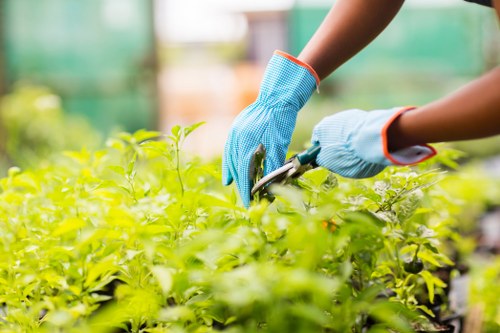
- Donating reusable pots, planters and tools to community gardens and non-profits
- Co-ordinating with local compost hubs to return processed green waste to urban growers
- Providing woody chips and mulch to neighbourhood green projects
Our collaborations are structured to respect the constraints of central London: short collection windows, pedestrian zones and borough waste policies. We work closely with Westminster and neighbouring borough teams to match our separation systems to municipal collection requirements, increasing the efficiency of handovers to public recycling streams.
In short, Covent Garden gardening services that focus on sustainability create a local circular economy: materials collected from floral displays, planters and public beds are either composted, reused by charities, or taken to transfer stations and processing facilities that close the loop.
To support long-term improvements we monitor and report progress against our recycling percentage target. Data on tons diverted into compost, mulch or recycling is reviewed quarterly to identify where training, route changes or additional partnerships can raise performance. This evidence-led approach helps us meet and exceed borough expectations for waste separation and supports a measurable reduction in landfill-bound material.
Why this matters: a properly managed eco-friendly waste disposal area reduces emissions, conserves resources and delivers better soil for plants in public spaces. It strengthens resilience for the local green infrastructure and provides community benefits through donated materials and shared compost.
Our commitment is simple: Gardening Covent Garden will continue to expand our low-carbon transport options, deepen charity partnerships and refine on-site separation so that the sustainable rubbish gardening area we operate becomes a model for central London green space management. Together with residents, businesses and borough teams, we can transform waste into resource and grow a greener Covent Garden.